

Stranger Things S5: Visual Thinking was Everywhere (Spoilers)
One thing I’ve LOVED about every season of Stranger Things — the final season most of all — is the conversation around it: fan theories, meme culture, messages dissecting all possible meaning from key scenes.
I mean, this thirty-seven year old mum was deeply invested in the fate of fictional teenagers throughout our five night binge, and days later I’m still exchanging multiple messages a day with a friend about plot holes and alternative endings.
But here’s my niche take as a graphic recorder…
And for context, my job is going to events and illustrating what people say in the moment, helping the audience to understand and remember key information and ideas. I also convert studies, reports, podcasts etc into infographics to spark interest in reading/hearing the full piece.
Did you notice just how much some of the characters used illustrations and visual aids, not just to explain complex ideas, but to demonstrate and develop plans together? (I’ll admit it likely passed me by in all four earlier seasons before this was my job…)
1. Dustin Explaining his Wormhole Theory
Dustin Henderson is often portrayed as the group’s most practical, scientifically curious mind, and when his wormhole idea comes to him, there are people of mixed ages and academic backgrounds in the room.
Instead of relying on words alone, risking confusing the group with abstract theory or jargon, Dustin grabs a marker and draws out his theory on the closest surface to hand: a window. Moving swiftly past the cinematographic genius of this moment, the composition allowing us to see not just Dustin’s explanation and the visual coming together in front of him, but understanding gradually dawning on his friends’ faces (sighs in artist)…
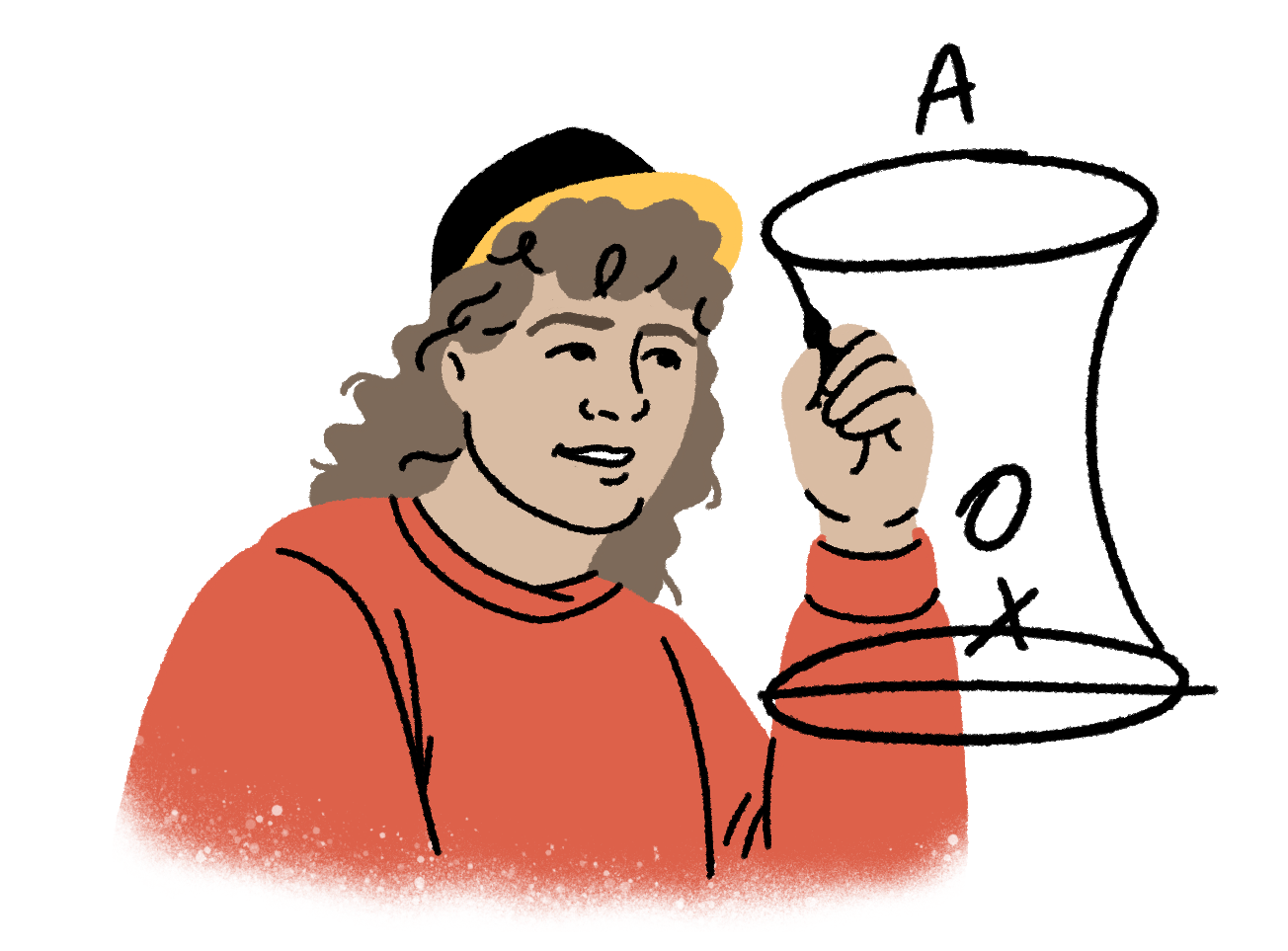
“I hate all of this… but, at least now we know what we’re up against, and what we need to do.” Jim Hopper
A simple drawing bridges the gap between expert knowledge and layman (both in the room and the audience) giving the characters a shared reference to build a plan from. I was jumping in my seat at all of this.
2. Robin Demonstrates the Return from the Upside Down.... with Records
In a simpler scene (and yes, I realise the purpose of this was most likely to catch up viewers who’d been scrolling their phone and lost track of who was in their physical body) Robin Buckley runs to the record shelves to visualise an epiphany she has about three unconscious characters and where they truly are.
Somehow, she grabs three of the most iconic vinyls of the era from the endless shelves at random, but I guess this isn’t the series to worry about realism…
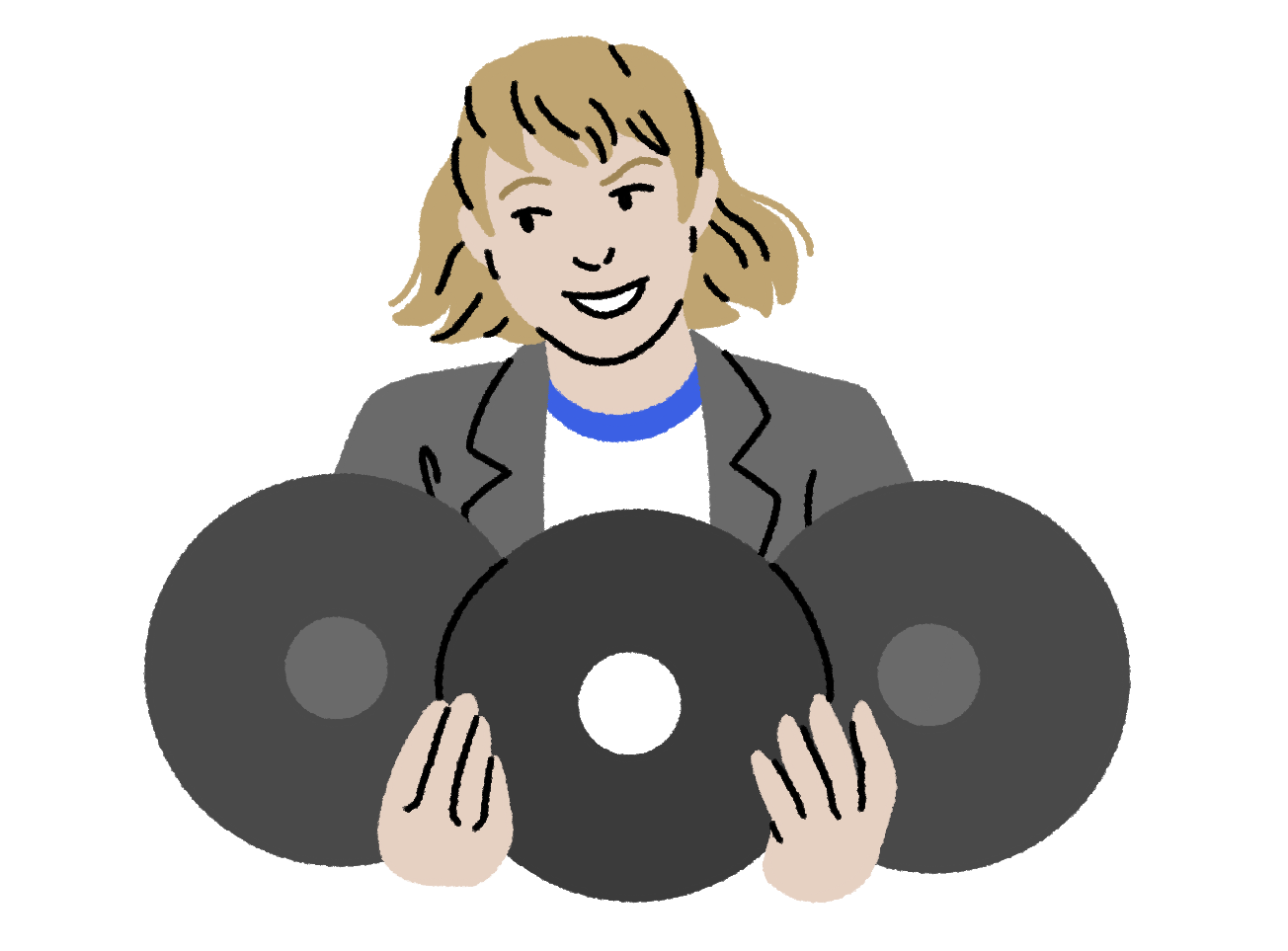
“It is hitting me… like a Whitney Houston high note.” Robin
With the records and their sleeves as physical props for three characters, Robin externalises her thinking. Sliding vinyls out to represent souls entering the Upside Down, she visually maps a plan to guide everyone back.
What I love so much about this is not just Robin’s resourcefulness in reaching for the nearest thing to hand, but how she shows us we don’t have to be artists or even draw at all to benefit from visual thinking. Sometimes just seeing your ideas in the physical world is enough to complete our thoughts, and share them easily.
3. Steve Shows Great Ideas Aren’t Just for “Smart Kids” with Visual Thinking
Bringing physical props back to Dustin’s wormhole moment, I realise Steve Harrington perfectly complemented it with the best visual aids to hand: a slinky and flashlight. And between us, I may be wiping a tear at the thought that their accidental teamwork here — building on each other’s ideas — was a prelude to settling their feud and becoming “best friends” again.
The room has broken into chaos and cross-talk, and Steve has to shout to be heard at first. Maybe nobody imagined “The Hair” would have anything valuable to add? Bringing Dustin’s drawing into three dimensions, the group are able to test the physics of the theory at small scale, coordinating action.
Steve’s known as socially savvy rather than academic, but he shows us that you don’t have to be an expert or draw like an artist to have great ideas and make them instantly accessible.
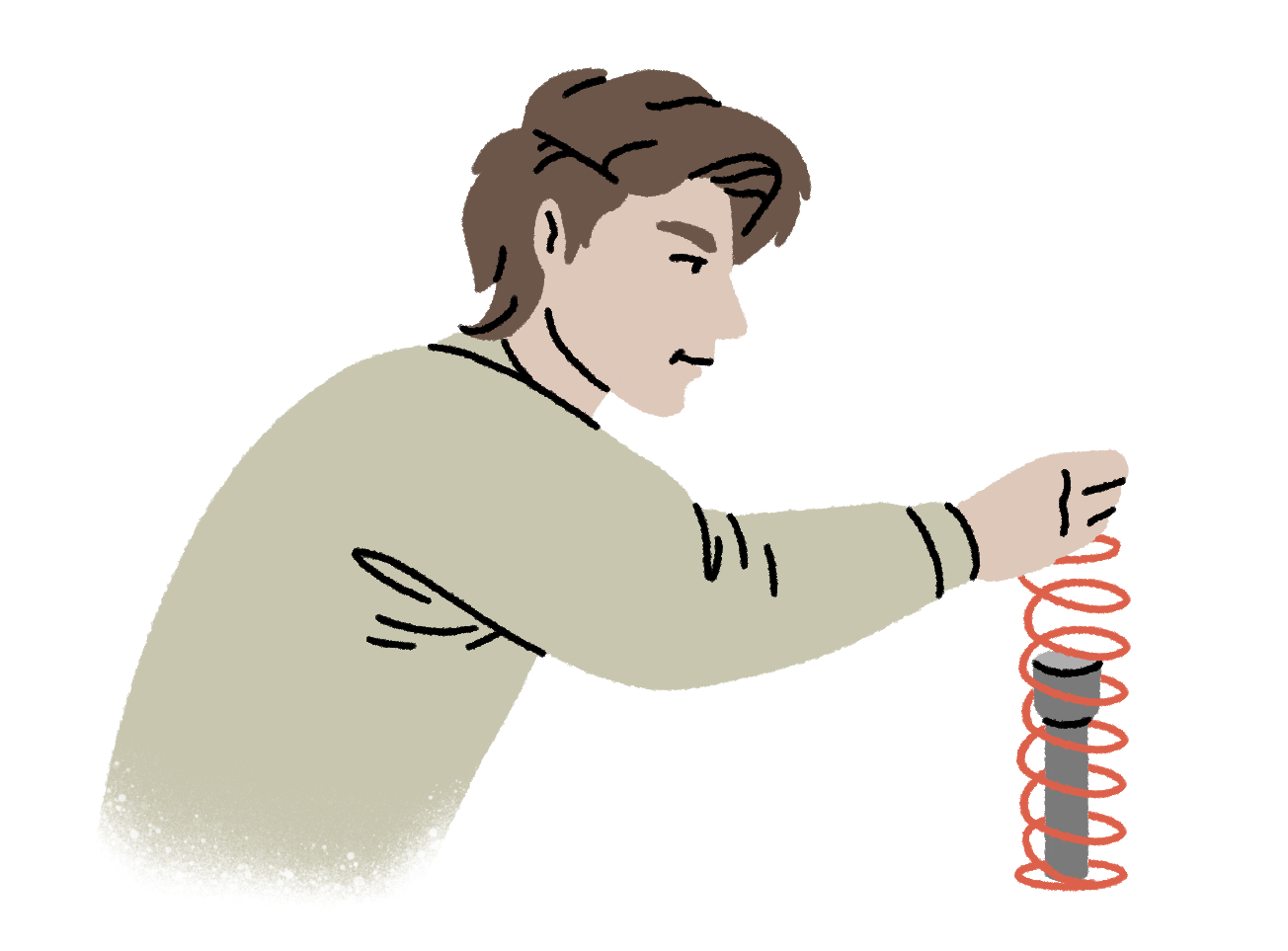
“Wham. Voila. We’ve got a beanstalk. It’s perfect.” Steve
Across these moments (and I’m sure many more) the Duffer Brothers use visual thinking as a key storytelling tool, the variety of use demonstrating that it’s not just for artists or academics. Whether drawn or using random objects as props, visual aids help the audience follow the plot, clarify complex scientific ideas, and give the characters a way to collaborate and think under pressure.
How does this translate to everyday life? Many of us hold back from sketching an idea out because we think we “can’t draw”. Actually, it doesn’t matter how technically good/bad the drawing is: seeing your thoughts on a page can do so much to solidify understanding, share your thought process with others and give you something to build on. And, even without drawing at all, people of all languages, backgrounds and abilities can benefit from seeing ideas outside their own heads, away from screens, and in the real world.